Decoding Promotional Mechanics: How Wagering Structures Influence Retention Patterns Across Digital Gaming Platforms
Ellis Long · May 20, 2026
Decoding Promotional Mechanics: How Wagering Structures Influence Retention Patterns Across Digital Gaming Platforms
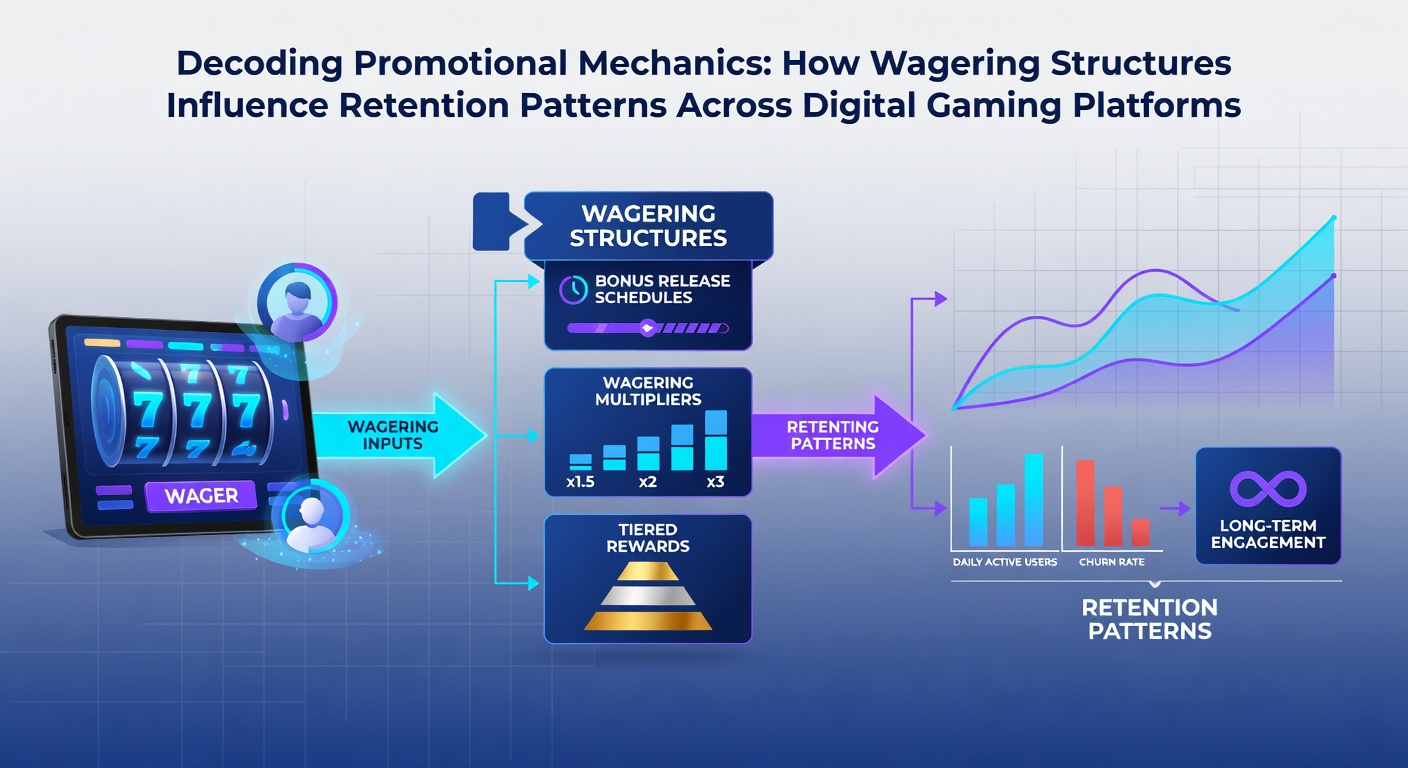
Digital gaming platforms rely on carefully calibrated wagering structures to shape how players interact with promotional offers over time, and these mechanics directly affect retention across mobile apps, desktop sites, and multi-jurisdictional networks. Wagering requirements specify the total amount a player must bet before any bonus funds or winnings become eligible for withdrawal, typically expressed as a multiplier such as 30x or 50x on the bonus value plus deposit. Operators adjust these multipliers, eligible game contributions, and completion windows to encourage repeated sessions rather than one-time redemptions.
Core Elements of Wagering Structures in Modern Promotions
Most platforms set contribution rates so that slots count 100 percent toward the requirement while table games and live dealer options contribute only 10 to 20 percent, which steers players toward specific titles and extends play duration. Time-bound windows, often 7 to 30 days, add pressure that keeps accounts active, yet overly restrictive windows can prompt early churn once the deadline approaches. Data compiled by regional regulators shows average completion rates hover between 25 and 40 percent on standard offers, with higher multipliers correlating to lower completion but sometimes higher total handle before players depart.
Platforms segment offers by player tier, giving VIP accounts reduced multipliers or longer windows while new users receive standard terms that test engagement potential. These tiered approaches create differentiated retention curves, where high-value users demonstrate steadier logins over months because they face fewer barriers to unlocking value. Industry analysts tracking patterns through 2025 and into May 2026 report that platforms using dynamic adjustments, such as lowering requirements mid-campaign based on player behavior, achieve 15 to 20 percent better retention than static structures.
Regional Variations and Regulatory Context
North American markets apply different oversight than European or Asian jurisdictions, which influences how operators design wagering rules. In Ontario, for instance, provincial standards require clear disclosure of wagering terms at the point of offer, leading platforms to simplify multipliers and highlight progress trackers that keep players informed. Similar transparency rules in several Australian states have prompted operators to publish average completion statistics, giving users realistic expectations before they commit deposits.
European operators often integrate wagering with responsible gaming tools, such as optional cool-off periods that pause requirements without resetting progress. This combination supports longer-term retention because players feel less rushed and return once ready to continue. Research published by academic groups focused on gambling behavior indicates that transparent structures reduce frustration-related exits by nearly 30 percent compared with opaque systems still found in less regulated markets.
Impact on Retention Metrics and Player Behavior
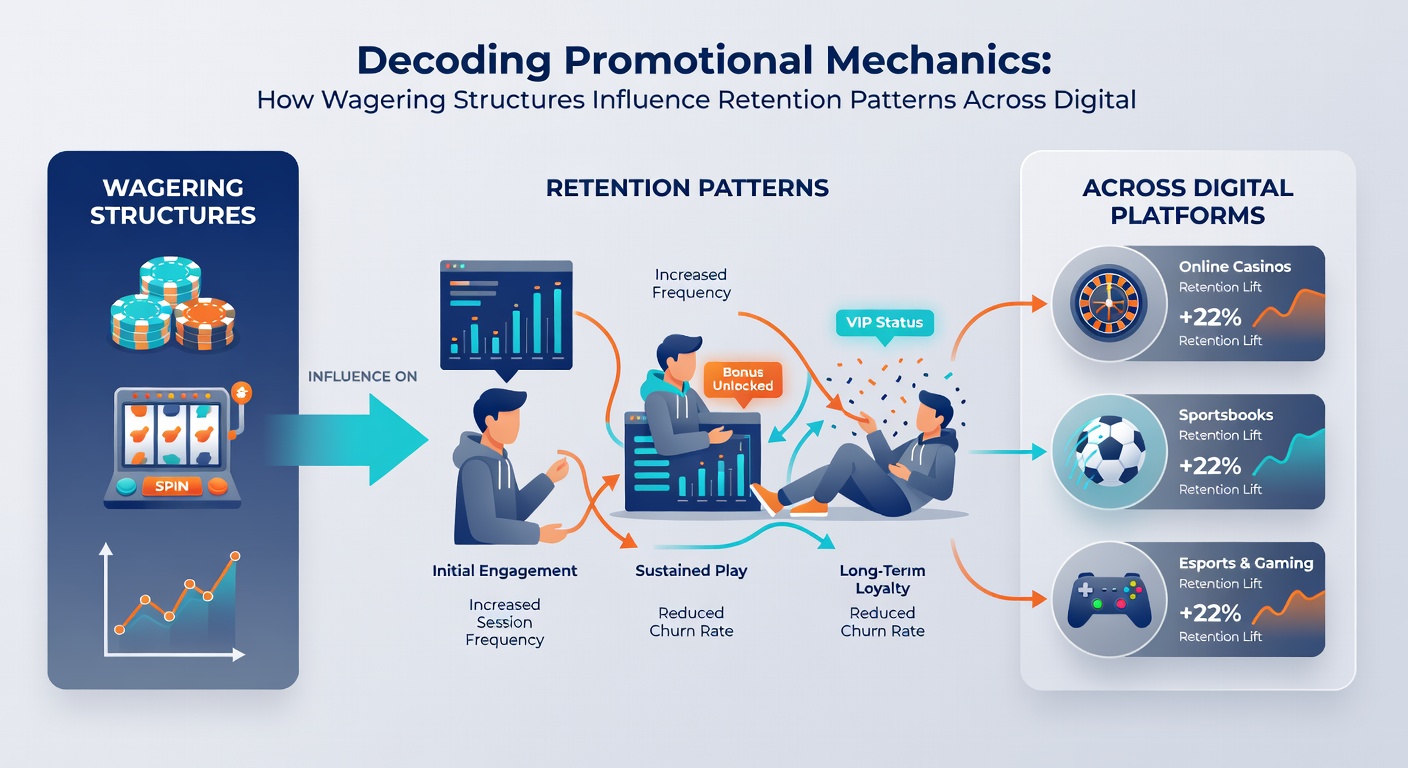
Retention data reveals clear patterns tied to wagering design. Offers with 20x to 35x requirements tend to produce the strongest 30-day retention because players reach completion thresholds without excessive grind, then convert into depositing users. Higher 50x-plus structures generate larger short-term volume yet show steeper drop-off after day 14, as many accounts become inactive once the perceived effort exceeds expected reward. Mobile platforms record slightly higher completion rates than desktop because push notifications and in-app progress bars maintain visibility throughout the day.
One operator managing cross-border traffic observed that adding game-specific boosters, such as double contribution on newly released slots, lifted weekly active users by 12 percent while maintaining steady handle per user. Another platform testing time extensions during holiday periods found that extending windows from 14 to 21 days reduced voluntary self-exclusions linked to unmet requirements. These adjustments illustrate how small structural tweaks can shift retention curves without increasing bonus costs.
Behavioral tracking also shows that players who nearly complete a requirement often receive targeted follow-up offers, such as partial waivers or extra spins, which convert hesitation into continued engagement. Platforms using machine-learning models to predict near-miss users report higher month-over-month retention than those relying on uniform messaging. Figures from trade reports covering the first quarter of 2026 confirm that personalized nudges tied to wagering progress outperform generic reminders by a significant margin.
Technological Tools Supporting Wagering Transparency
Modern platforms embed real-time trackers within both web and app interfaces so users see remaining wagering amounts, eligible games, and projected completion dates without leaving the session. These tools reduce support queries and keep players oriented, which supports incremental retention gains. Integration with loyalty programs further ties wagering progress to tier advancement, creating additional incentives that extend player lifetimes beyond individual promotions.
Third-party analytics providers supply operators with cohort comparisons that benchmark retention against industry averages for similar wagering structures. Such benchmarking helps platforms identify whether a 40x requirement outperforms a 30x offer with stricter game weighting in their specific audience. Continuous refinement based on these insights has become standard practice among larger operators managing multi-jurisdictional portfolios.
Conclusion
Wagering structures function as central levers that digital gaming platforms use to balance acquisition spend against long-term value, and retention outcomes depend on how multipliers, contribution rates, time limits, and personalization combine. Platforms that monitor completion data, adjust terms by segment, and maintain transparent progress tools demonstrate stronger sustained engagement across regions. As markets evolve through 2026, operators continue refining these mechanics to align player expectations with operational goals while complying with varying regulatory frameworks.