Exploring Interconnected Loyalty Mechanisms Linking Virtual Sports Events With Table Game Incentives at Licensed Platforms
Morgan Zimmermann · Jun 24, 2026
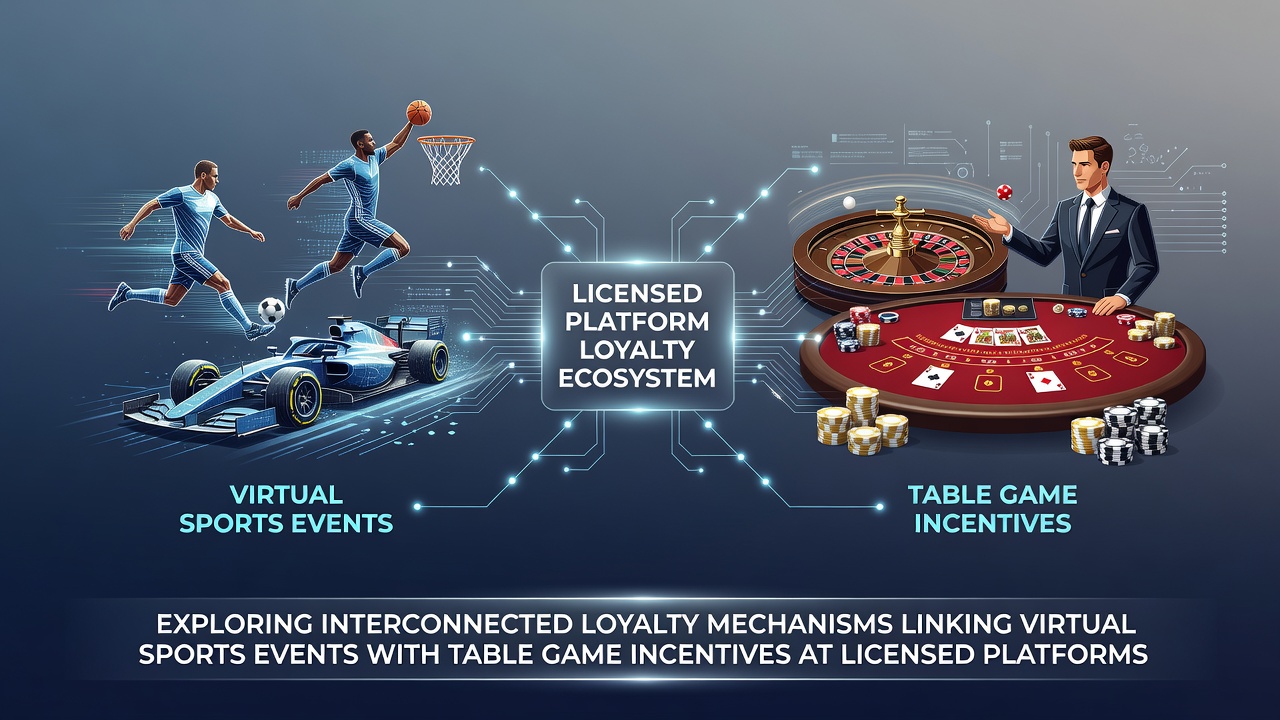
Exploring Interconnected Loyalty Mechanisms Linking Virtual Sports Events With Table Game Incentives at Licensed Platforms
Operators at licensed digital platforms have developed loyalty systems that tie participation in virtual sports events directly to incentives for table games, creating pathways where points earned from one category convert into rewards in another, and data from multiple jurisdictions shows these structures influence player retention across both verticals.
Virtual sports events simulate outcomes through algorithms that run continuously, allowing users to place wagers on soccer matches, horse races, and other competitions that unfold in minutes rather than hours, while table game incentives often include deposit matches, free spins on blackjack variants, or cashback tied to roulette volumes, and platforms integrate these by awarding loyalty points that bridge the two segments.
How Virtual Sports Feed Into Broader Reward Structures
Platforms calculate points from virtual sports bets based on stake size and frequency, then apply multipliers when those points transfer to table game play, and regulators in several regions track these transfers to ensure compliance with responsible gaming standards, with figures from Ontario's iGaming market indicating that cross-category redemptions increased during the first half of 2026.
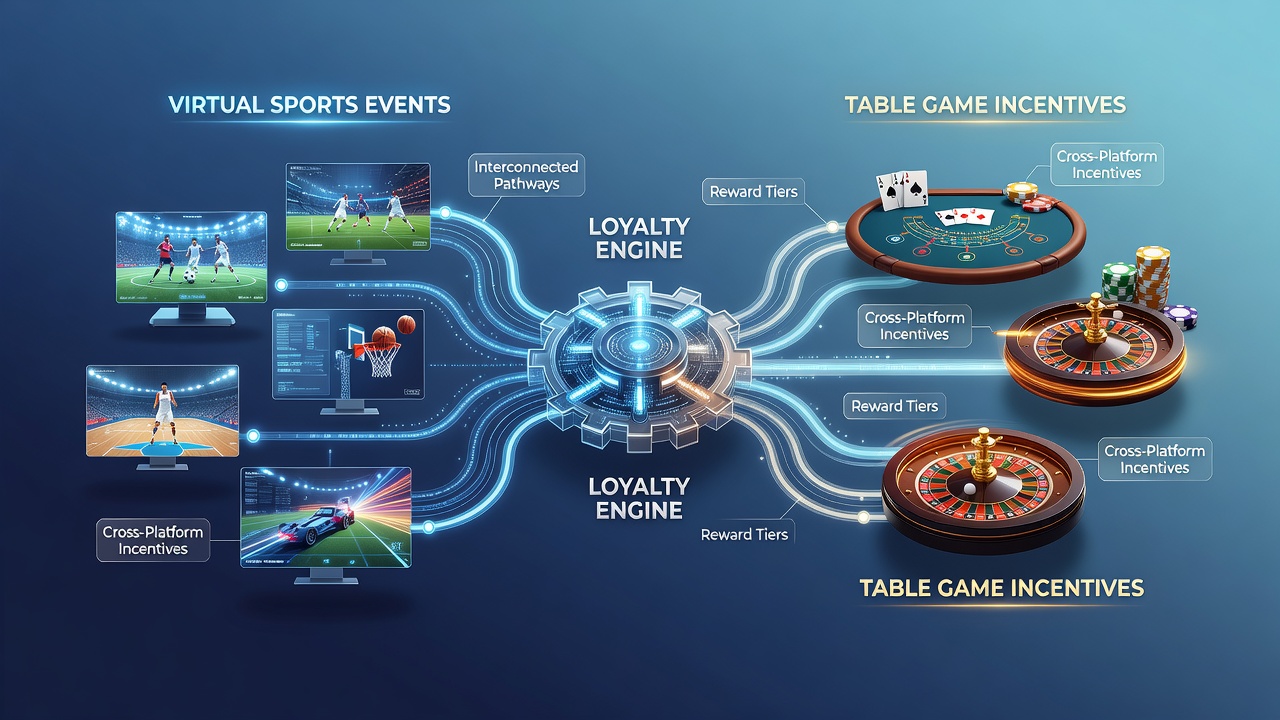
One mechanism involves tiered loyalty clubs where virtual sports activity accelerates progression through levels that unlock table game perks such as reduced house edges on specific variants or exclusive tournament entries, and observers note that this linkage encourages sustained engagement because players see immediate value in moving between categories rather than treating them as isolated offerings.
Table Game Incentives and Their Ties to Event-Driven Activity
Table game promotions at licensed sites frequently reference virtual sports performance as a trigger, for example granting bonus chips after a user completes a set number of virtual basketball wagers within a weekly window, and this approach appears in operator reports submitted to gaming authorities in North American and European markets where data shows measurable upticks in table game handle following virtual sports campaigns.
Conversion rates between the two categories vary by platform design, yet studies from industry research groups highlight that seamless point portability reduces friction and supports longer session durations, while June 2026 filings from several multi-state operators revealed that interconnected programs accounted for a growing share of total player rewards issued.
Regulatory Oversight and Cross-Border Variations
Licensing frameworks in different jurisdictions shape how these mechanisms operate, with some authorities requiring clear disclosure of conversion ratios and others mandating caps on transferable points to limit excessive play, and the iGaming Ontario framework provides one model where operators must report aggregated data on loyalty transfers each quarter.
Platforms operating across borders adjust their systems to meet local rules, such as excluding certain virtual sports titles from point-earning status in stricter markets, while maintaining full connectivity in regions with more flexible guidelines, and evidence from compliance audits indicates that transparent structures correlate with fewer player complaints regarding unredeemed rewards.
Technical Integration and Player Journey Mapping
Backend systems at licensed operators use unified player accounts that log activity across virtual sports and table games in real time, enabling automated reward delivery without manual intervention, and software providers have released modules specifically designed to handle these interconnections while maintaining audit trails required by regulators.
Player journey data collected through these platforms reveals patterns where initial virtual sports engagement leads to table game exploration when incentives align, and researchers at academic institutions studying digital gaming behavior have documented that such linkages can extend average lifetime value metrics when properly calibrated to individual risk profiles.
Conclusion
Interconnected loyalty mechanisms continue to evolve as licensed platforms refine the connections between virtual sports events and table game incentives, with regulatory reporting and technical capabilities shaping how points and rewards flow between categories, and ongoing data collection from operators worldwide provides the basis for understanding retention impacts without relying on subjective assessments.