Exploring Interconnections Among No Deposit Offers and Retention Patterns in Licensed Digital Platforms
Mara Hayes · Aug 21, 2026
Exploring Interconnections Among No Deposit Offers and Retention Patterns in Licensed Digital Platforms
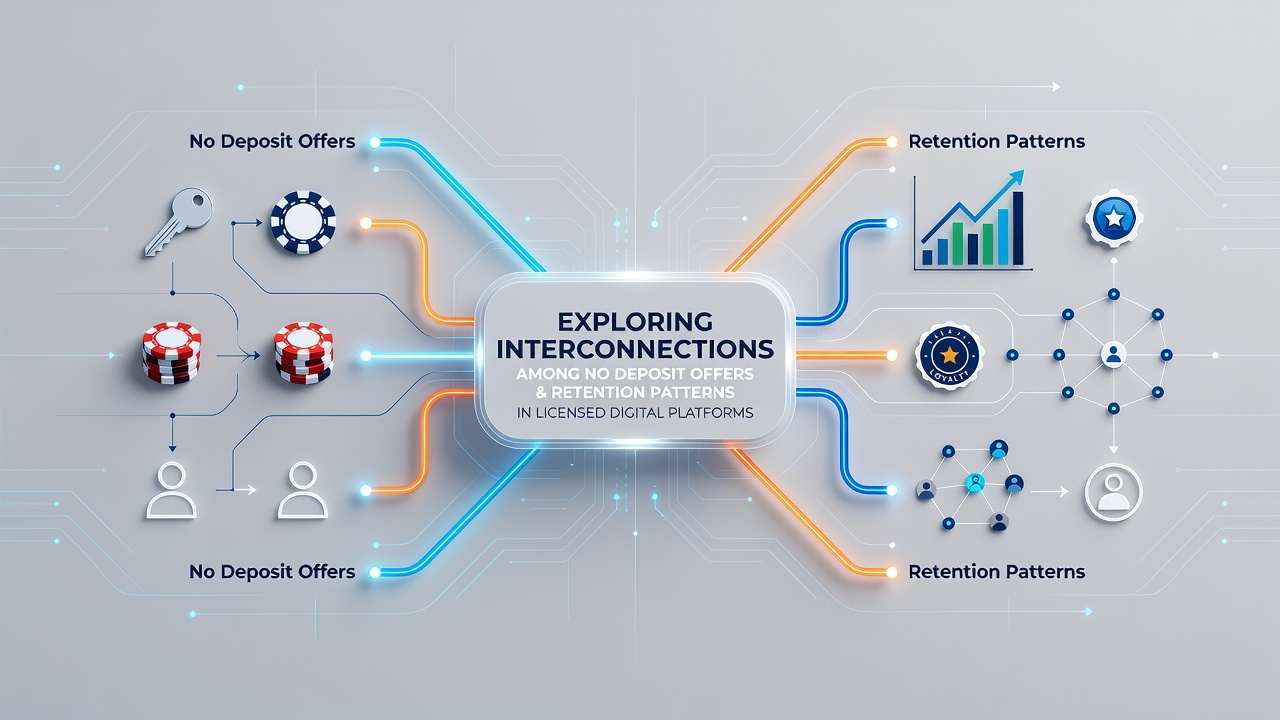
No deposit offers function as initial access tools on licensed digital platforms, allowing users to engage with games or betting options without upfront financial commitment, while retention patterns emerge from how these offers interact with ongoing platform features such as loyalty tiers and game variety. Licensed operators track these elements through metrics including session frequency, average play duration, and return rates over multi-week periods, and data collected across jurisdictions reveals consistent correlations between offer structures and sustained user activity. Researchers analyzing platform databases have observed that no deposit bonuses often trigger higher first-week engagement levels, yet the strength of that engagement depends on elements like wagering multipliers and eligible game categories, which in turn influence whether users transition into regular participants. Platforms operating under strict licensing rules must balance these incentives with compliance requirements, and this balance shapes the specific terms attached to each promotion.Core Mechanics Linking Offers to User Continuity
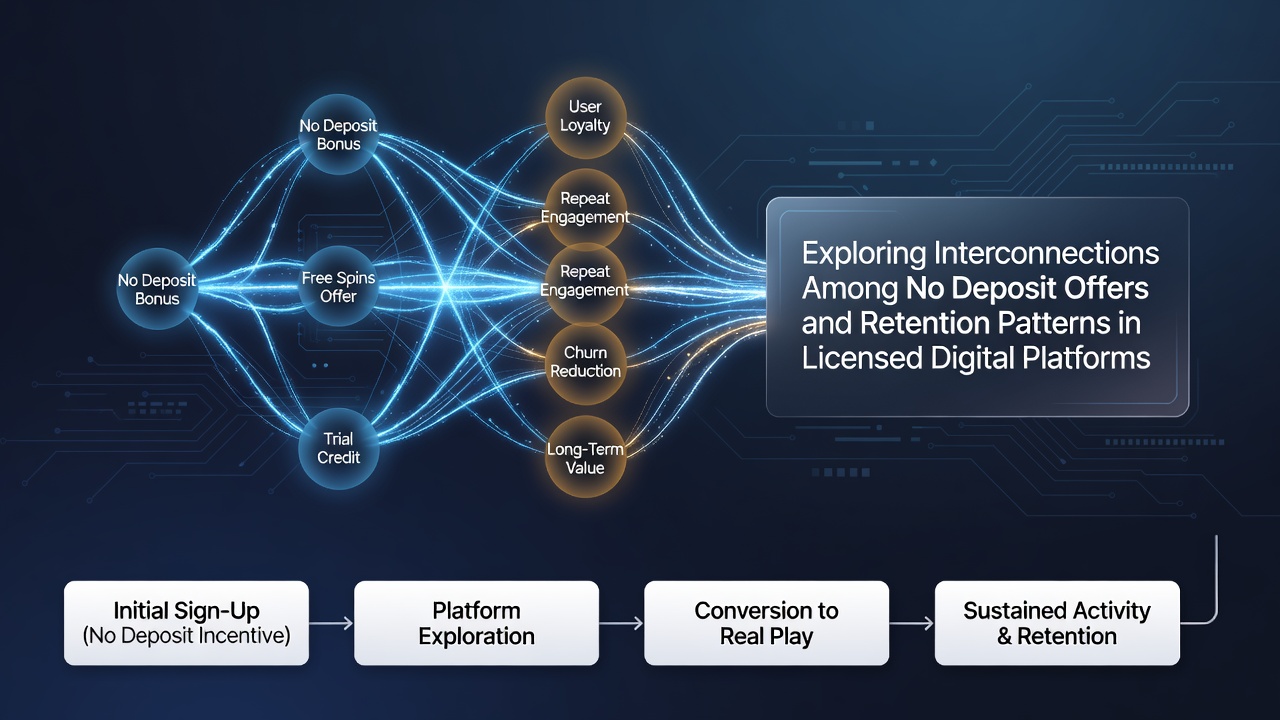
Operators design no deposit promotions around fixed credit amounts or free spins that carry defined playthrough conditions, and these conditions directly affect how quickly users can convert bonus funds into withdrawable winnings, a process that studies indicate plays a central role in determining whether activity persists beyond the introductory phase. When wagering requirements align with popular game types, users tend to complete the conditions at higher rates, which correlates with elevated retention figures in subsequent months according to aggregated operator reports.
Platforms collect anonymized behavioral data showing that users who successfully clear no deposit terms within the first seven days demonstrate stronger patterns of repeat logins compared with those who do not, and this pattern holds across multiple regulated markets. Variations in offer value and expiration windows further modulate these outcomes, with shorter windows sometimes accelerating engagement while longer windows allow more flexible participation schedules.
Regional Licensing Influences on Offer Design
Licensing frameworks in different regions impose distinct constraints on no deposit promotions, and operators adapt accordingly by adjusting maximum bonus sizes, eligible user pools, and verification steps. In markets such as those overseen by iGaming Ontario, for instance, data from the Gambling Research Exchange Ontario shows measurable differences in retention curves tied to how strictly operators enforce geographic eligibility and account verification before bonus activation.
August 2026 figures released by several North American regulators highlighted steady growth in active user accounts on platforms that refined their no deposit terms to emphasize lower wagering thresholds, and these adjustments coincided with improved month-over-month retention statistics. European operators licensed under frameworks such as those administered by the Malta Gaming Authority similarly report that tailored no deposit structures help maintain user bases when combined with localized payment options and responsible gaming tools.
Behavioral Patterns and Platform Analytics
Analytics teams at licensed platforms segment users according to their response to no deposit offers, identifying clusters that progress from bonus users to high-frequency players versus those whose activity declines after the initial period. These clusters reveal that game selection during the bonus phase serves as a strong predictor of later retention, with slots and table games producing divergent continuation rates depending on the jurisdiction and operator.
Cross-platform comparisons indicate that users exposed to no deposit offers featuring progressive jackpots or branded titles often exhibit extended play sessions, a trend documented in internal reports shared among industry groups. Retention models incorporate variables such as time of day for bonus redemption and device type, and these models help operators refine future campaigns without altering core licensing obligations.
Measurement Approaches Across Jurisdictions
Regulators and operators employ standardized key performance indicators to assess how no deposit offers connect to retention, including cohort survival rates at 30, 60, and 90 days post-registration. Reports compiled by the New Jersey Division of Gaming Enforcement track these indicators for online operators and demonstrate that platforms with integrated bonus tracking systems achieve more precise mapping of offer impact on long-term activity levels.
Industry associations compile anonymized datasets from multiple licensees, enabling comparative analysis that isolates the contribution of no deposit mechanics from other retention drivers such as deposit matches or loyalty programs. These datasets underscore the value of transparent terms and clear communication in sustaining user trust across regulatory environments.
Conclusion
Interconnections between no deposit offers and retention patterns on licensed digital platforms arise from the interplay of bonus mechanics, licensing constraints, and user behavior data, with measurable outcomes documented in regulatory reports and operator analytics. Continued monitoring of these relationships supports compliance while informing how platforms structure promotions to align with observed engagement trends across regions and time periods.