Inside the Algorithms: How Top Sites Calculate Bonus Values for Repeat Sports Bettors
Ellis Long · May 29, 2026

Inside the Algorithms: How Top Sites Calculate Bonus Values for Repeat Sports Bettors
Top sports betting platforms rely on sophisticated algorithms to determine bonus values for repeat bettors, and these systems process extensive datasets that include wagering volume, deposit frequency, and historical performance metrics. Data collected over multiple sessions feeds into models that assign personalized offers while operators maintain profitability thresholds across different user segments. As of May 2026, industry reports indicate continued refinement of these tools in response to regulatory shifts in several North American and European markets.
Data Inputs That Drive Bonus Valuation Models
Algorithms begin by aggregating player activity across categories such as average bet size, session duration, and sport preferences, while cross-referencing these against broader market trends that emerge from millions of transactions. Researchers at institutions like the University of Nevada's International Gaming Institute have documented how platforms weight these inputs to forecast long-term player value, and teh resulting scores determine whether a user receives enhanced deposit matches or free bet credits. Retention patterns tracked through loyalty tiers further adjust calculations, since consistent activity often signals lower churn risk and higher lifetime returns for operators.
Geographic factors also enter the equation because regulatory environments vary by jurisdiction and influence allowable bonus structures. Platforms serving Canadian provinces, for instance, integrate compliance data from bodies like the Alcohol and Gaming Commission of Ontario to ensure offers align with provincial limits on promotional mechanics. This layered approach prevents over-allocation of bonuses while still rewarding repeat engagement through tiered multipliers that scale with verified activity levels.
Segmentation Techniques and Risk Assessment Layers
Once raw data flows into the system, machine learning clusters segment users into groups based on behavioral similarity, and each cluster receives tailored bonus formulas that balance acquisition costs against expected revenue. High-volume bettors who demonstrate steady win rates might trigger conservative bonus caps, whereas those with moderate losses and frequent reloads often qualify for larger incentives designed to sustain play volume. Observers note that these distinctions emerge from predictive models trained on historical datasets spanning several years, allowing platforms to project future betting patterns with increasing accuracy.
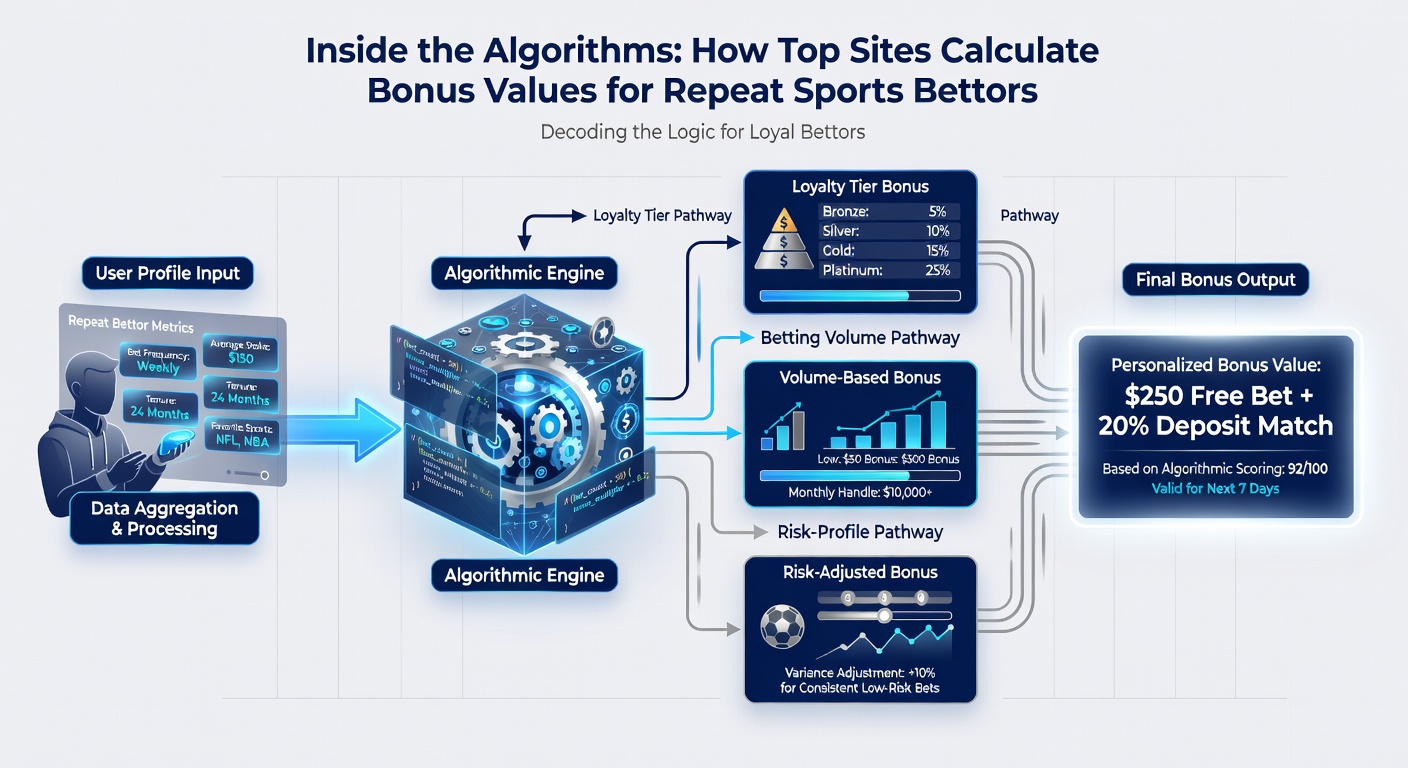
Risk assessment modules run parallel evaluations that flag accounts exhibiting unusual variance or rapid escalation in stakes, and these flags can reduce or delay bonus eligibility until further verification occurs. Industry associations such as teh European Gaming and Betting Association have published analyses showing how such safeguards help platforms manage exposure across large user bases while preserving competitive offers for stable repeat customers. The integration of real-time odds data and market liquidity indicators adds another dimension, since bonuses tied to popular events may carry different valuation parameters than those linked to niche sports.
Implementation Across Major Platforms and Regulatory Influences
Leading operators deploy these algorithms through centralized backend systems that update bonus parameters daily based on incoming performance indicators, and this dynamic adjustment keeps offers aligned with current business objectives. In Australia, oversight from the Australian Communications and Media Authority requires transparent reporting on how promotional values are derived, which has prompted platforms to document their calculation methodologies in greater detail for compliance audits. Repeat bettors who maintain consistent deposit schedules often see incremental improvements in bonus percentages because the models recognize patterns associated with higher retention probabilities.
Case studies from North American markets reveal that platforms frequently test algorithm outputs through controlled rollouts before full deployment, allowing teams to measure uplift in repeat activity without committing large promotional budgets upfront. These tests incorporate variables such as time since last wager and preferred payment methods, both of which correlate with engagement longevity according to aggregated industry statistics. External market research from firms tracking global iGaming trends further informs baseline assumptions that feed into the models, ensuring calculations remain responsive to shifts in consumer behavior.
Conclusion
Algorithms used by top sports betting sites synthesize multiple data streams to assign bonus values that support both user retention and operational sustainability, and ongoing developments in regulatory frameworks continue to shape how these systems evolve. Platforms that maintain transparent, data-driven approaches position themselves to deliver consistent value to repeat bettors while adhering to jurisdictional requirements across regions. Continued investment in analytical tools suggests these processes will grow more precise as datasets expand and computational methods advance.