Mapping Cross-Jurisdictional Shifts in No-Deposit Offer Structures for Regulated Sportsbooks
Morgan Zimmermann · Jul 29, 2026

Mapping Cross-Jurisdictional Shifts in No-Deposit Offer Structures for Regulated Sportsbooks
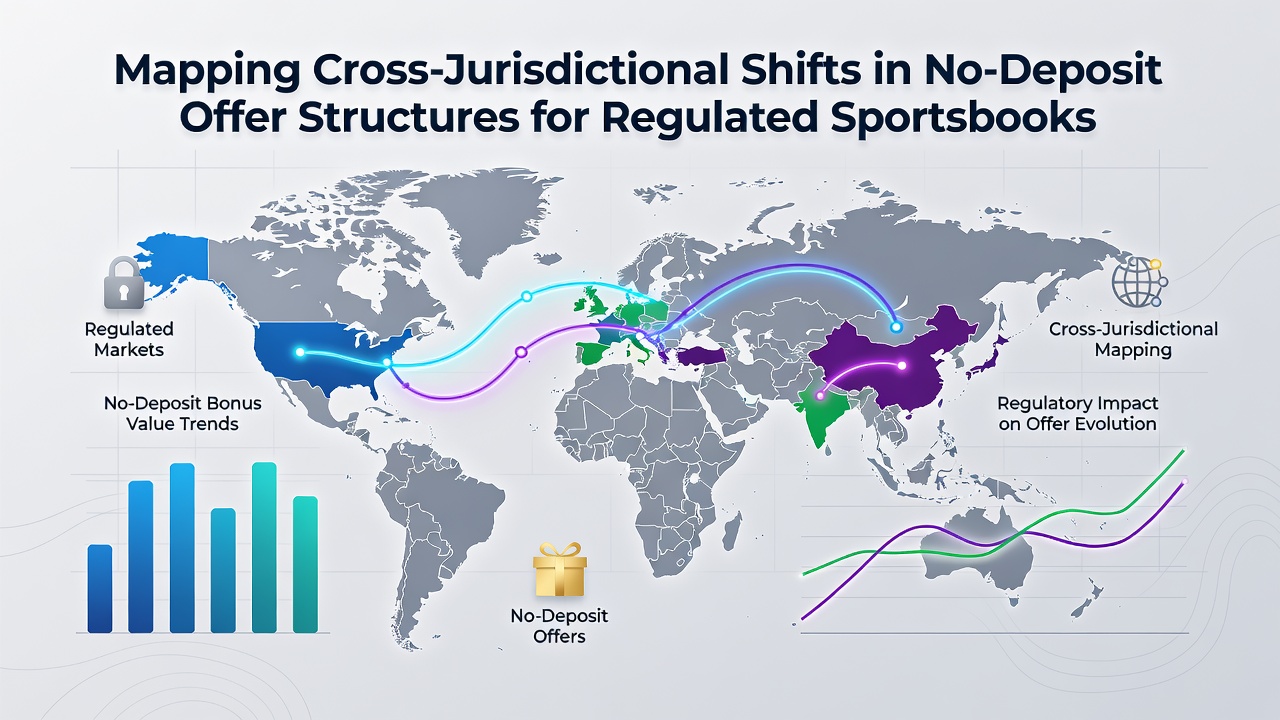
Regulated sportsbooks operate under frameworks that dictate the form and availability of no-deposit offers, and those frameworks continue to evolve at different rates depending on the jurisdiction, which creates distinct patterns in how operators structure incentives without requiring initial player funding.
Core Elements of No-Deposit Structures
Operators typically attach wagering requirements, expiration periods, and eligible market restrictions to no-deposit offers, while regulators in each region set the boundaries for these terms through licensing conditions that address consumer protection and market stability.
Data compiled by state gaming control boards shows that requirements for no-deposit credits range from 1x to 10x playthrough across U.S. markets, and those variations stem directly from statutes enacted at different times rather than from operator preference alone.
North American Regulatory Divergence
States that entered the regulated sports betting market after 2018 adopted rules that often limit or prohibit no-deposit offers at launch, whereas jurisdictions with longer operating histories permit more flexible structures subject to ongoing reporting obligations.
Ontario's Alcohol and Gaming Commission of Ontario maintains a centralized approval process for all promotional mechanics, which requires operators to submit no-deposit offer terms in advance and demonstrate compliance with responsible gaming standards before deployment.
Meanwhile several U.S. state commissions issue periodic guidance updates that adjust maximum bonus values or mandate clearer disclosure language, and these adjustments produce measurable differences in offer uptake when tracked across state lines.
Shifts Emerging in Mid-2026
By July 2026 regulatory filings indicate that at least four additional U.S. states had introduced draft rules requiring real-name verification before any no-deposit credit activates, while two Canadian provinces expanded their oversight to include post-offer audit trails that track how players convert those credits into settled wagers.
These changes align with broader efforts to standardize data collection across borders, and they influence how operators recalibrate offer values to remain competitive without violating new reporting thresholds.
International Comparisons and Data Patterns
Australian state regulators apply a uniform code that caps no-deposit amounts and requires operators to provide players with clear opt-out mechanisms, and compliance reports from the past two years show consistent application of these caps across licensed platforms.
Researchers at the University of Nevada's International Gaming Institute have documented how cross-border operators adjust no-deposit parameters when expanding into new markets, noting that the same parent company often deploys different terms in adjacent jurisdictions to satisfy local licensing conditions.
Those adjustments appear in public filings that list maximum credit values, eligible bet types, and conversion rates, which allows observers to map the spread of restrictive versus permissive approaches over time.
Operational Adjustments by Licensed Operators
Sportsbook compliance teams monitor legislative dockets and commission bulletins to anticipate changes, and they recalculate offer economics whenever a jurisdiction modifies its promotional guidelines or introduces new consumer protection mandates.
Operators that serve multiple markets maintain separate promotional engines that apply jurisdiction-specific rules at the point of offer presentation, which reduces the risk of non-compliance while preserving the ability to test different structures where regulations permit.
Industry association reports from the American Gaming Association track these operational adaptations through anonymized survey data, revealing that firms with broader geographic footprints allocate more resources to regulatory monitoring than single-jurisdiction operators.
Conclusion
Cross-jurisdictional mapping of no-deposit offer structures reveals a landscape shaped by staggered regulatory timelines and distinct statutory priorities, and continued collection of licensing data will allow clearer tracking of how these structures continue to shift as new markets mature and existing ones refine their oversight models.