Regional Compliance Adjustments Reshaping Loyalty Tier Progressions in Licensed Digital Wagering Markets
Quinn Brooks · Jul 22, 2026
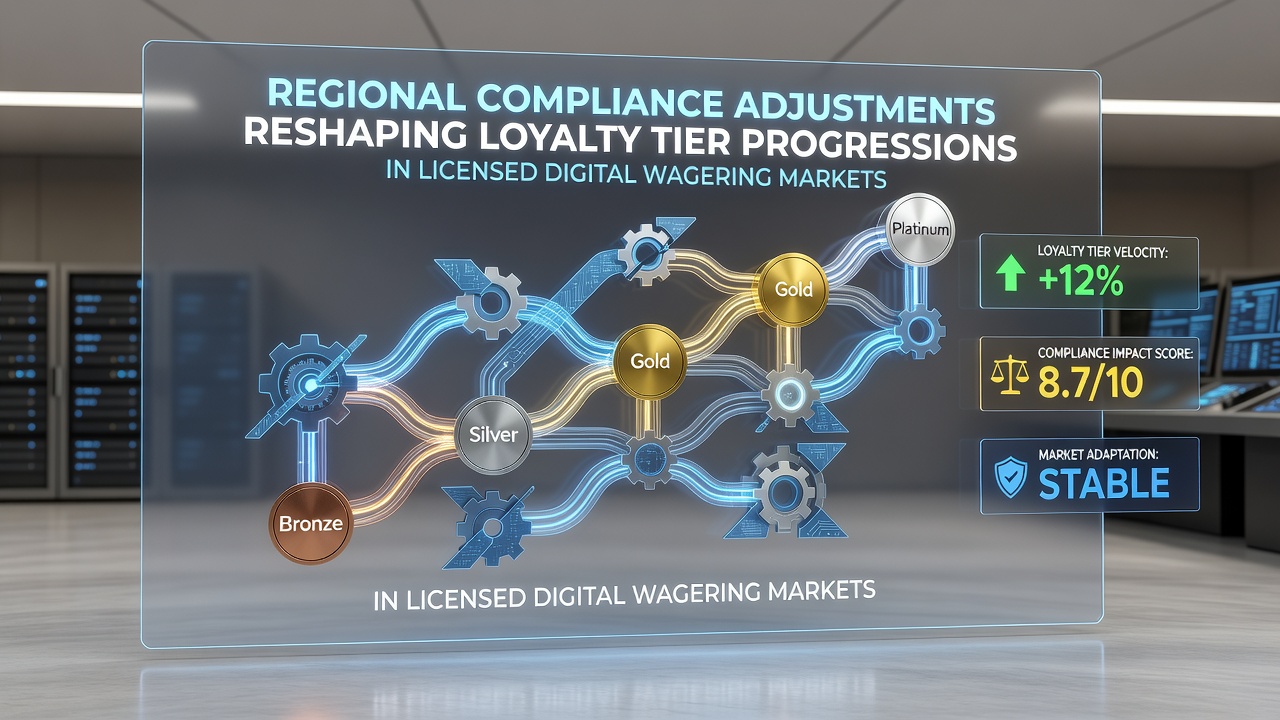
Regional Compliance Adjustments Reshaping Loyalty Tier Progressions in Licensed Digital Wagering Markets
Regulatory bodies across multiple jurisdictions continue to refine compliance frameworks that directly influence how licensed operators structure loyalty tier progressions, and these adjustments often require platforms to recalibrate point accumulation rates along with eligibility thresholds for each tier level. Data from industry reports indicate that operators in North America, Europe, and Asia-Pacific regions have implemented modifications since early 2025 that align tier systems with new responsible gaming mandates and anti-money laundering protocols. Observers note that these changes frequently involve capping bonus multipliers or introducing mandatory cooling periods before players advance to higher tiers.
North American Regulatory Shifts and Tier Recalibrations
State-level authorities in the United States along with provincial regulators in Canada have introduced guidelines that affect loyalty mechanics at licensed digital wagering sites, and Michigan's Gaming Control Board along with Ontario's Alcohol and Gaming Commission of Ontario released updated directives in spring 2026 that mandate transparent disclosure of tier qualification criteria. Figures reveal that several major operators adjusted their point systems to exclude certain promotional deposits from counting toward tier advancement, which reduces the speed at which repeat users reach premium status. Those who've tracked these developments point out that platforms must now maintain auditable logs showing how compliance filters alter progression paths for different player segments.
Take one case where a major sportsbook operator revised its silver-to-gold tier threshold from 5,000 points to 7,500 points after state auditors flagged inconsistencies with player protection standards, and this recalibration applied uniformly across all licensed markets in that jurisdiction. Research indicates similar patterns emerging in New Jersey and Pennsylvania where regulators require operators to factor in session time limits when calculating loyalty rewards eligibility.
European and Asia-Pacific Adaptations
Authorities in the European Union and select Asia-Pacific markets have enforced parallel requirements that reshape loyalty structures, while the Malta Gaming Authority and the Australian Communications and Media Authority each published compliance circulars in the first half of 2026 that address how operators may allocate points across multi-jurisdictional player accounts. Evidence suggests these rules prevent operators from applying uniform global tier progressions without accounting for local restrictions on bonus frequency and value caps. Operators responded by creating segmented tier ladders that apply distinct progression rules depending on the player's registered region.
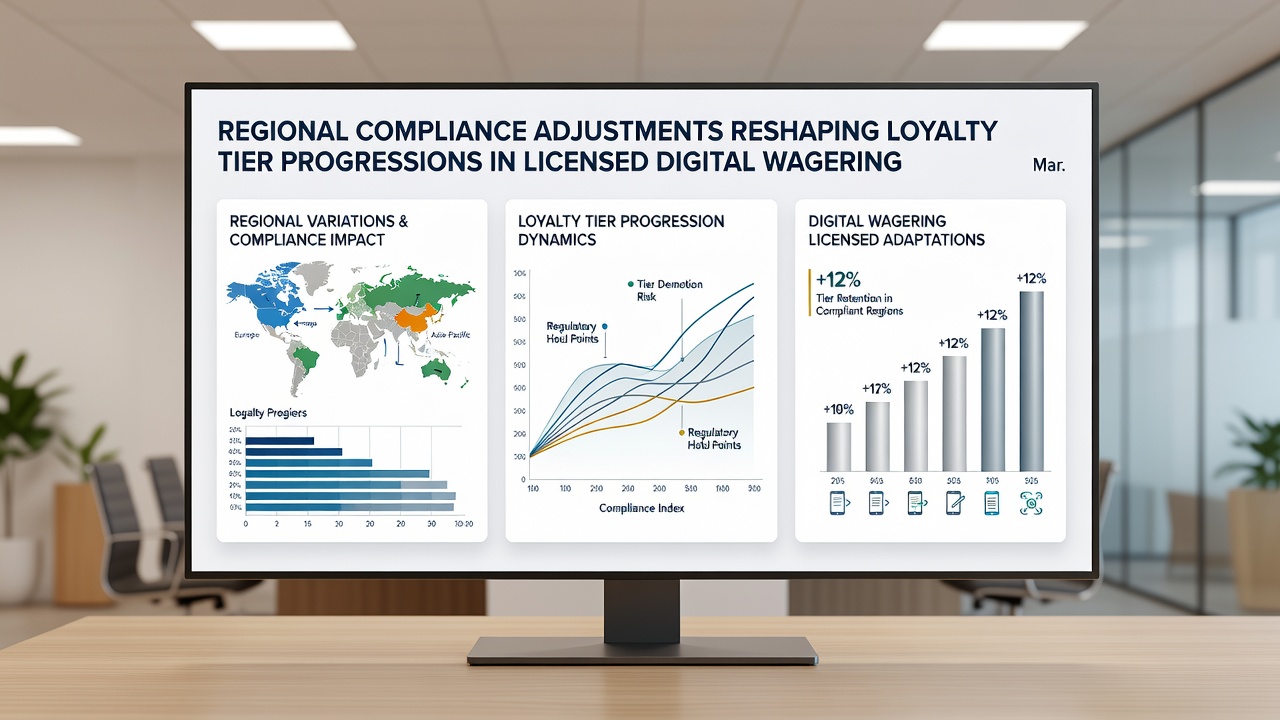
What's interesting is how these segmented systems create different qualification timelines for players in Germany versus those in Spain, and data shows that German-licensed platforms now require additional verification steps before any tier upgrade processes activate. Meanwhile Australian operators introduced mandatory responsible gambling checkpoints that pause point accrual until players complete self-assessment modules. The European Gaming and Betting Association has documented how such measures influence retention metrics across compliant platforms.
Operational Impacts on Licensed Platforms
Operators report that implementing these regional adjustments requires substantial backend updates to their loyalty engines, and integration with third-party compliance tools has become standard practice by July 2026. Industry analyses from the International Center for Gaming Regulation highlight that platforms maintaining separate progression algorithms for each licensed market experience fewer regulatory inquiries compared with those attempting unified global systems. Several operators have also introduced region-specific loyalty currencies that convert at fixed rates to maintain fairness while satisfying local rules.
One study revealed that platforms which adopted modular tier architectures achieved faster approval cycles during licensing renewals, whereas rigid legacy systems triggered extended review periods. Researchers discovered that these modular approaches allow operators to toggle specific compliance filters without disrupting the entire loyalty infrastructure.
Conclusion
Regional compliance adjustments continue to drive measurable changes in how licensed digital wagering markets manage loyalty tier progressions, and operators that align their systems with evolving regulatory expectations maintain operational continuity across jurisdictions. Data from multiple oversight bodies demonstrate that transparent tier mechanics paired with localized qualification rules represent the prevailing approach as markets mature through 2026. Those monitoring these trends observe ongoing refinements that balance player engagement with mandated protections.