The Ripple Effects of Currency Fluctuations on Bonus Value Calculations in International Betting Networks
Quinn Brooks · Aug 17, 2026
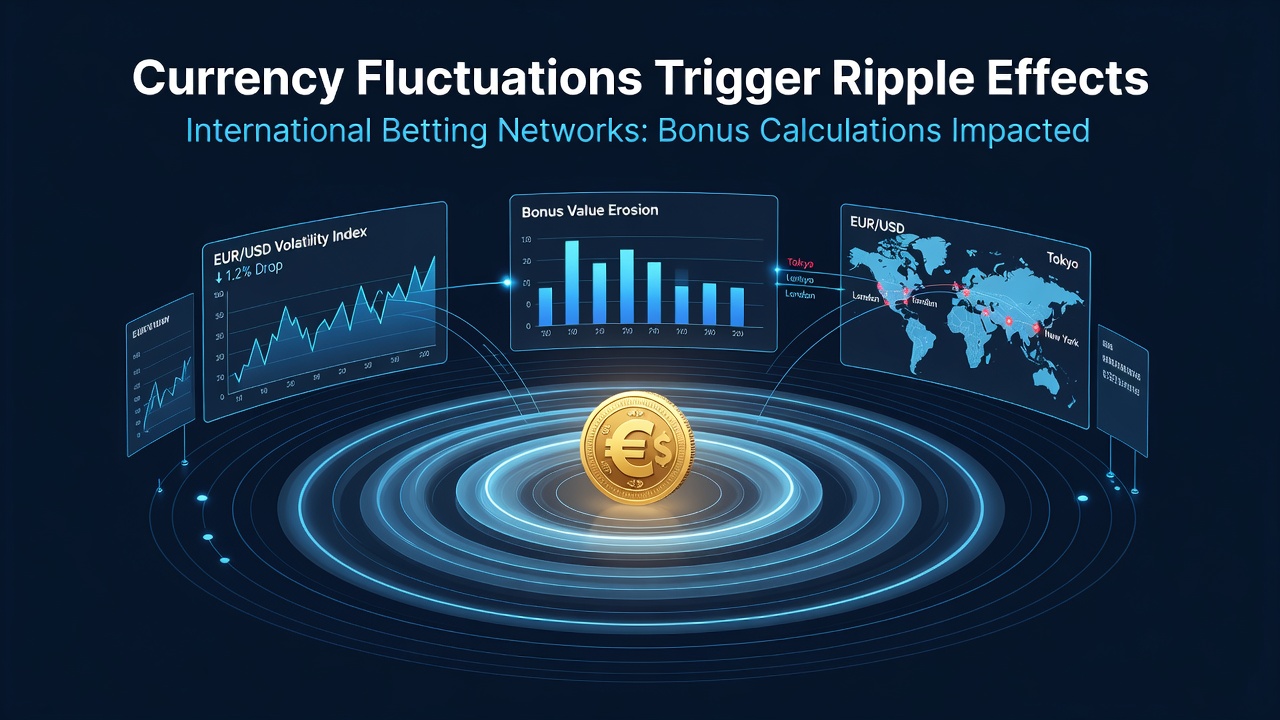
The Ripple Effects of Currency Fluctuations on Bonus Value Calculations in International Betting Networks
International betting networks operate across multiple jurisdictions where operators calculate bonuses in base currencies such as euros, US dollars, or Australian dollars before converting them for users in other regions, and these conversions create direct exposure to daily exchange rate movements. Data from the European Gaming and Betting Association indicates that platforms handling cross-border traffic adjust bonus credits in real time using mid-market rates plus small spreads, which means a 3 percent swing in the EUR/USD pair can alter the effective value of a deposit match by hundreds of euros for a single high-volume account. Observers note that networks maintain internal ledgers in the currency of the licensing entity while displaying localized figures to players, so the gap between displayed and settled amounts widens whenever major pairs move outside historical volatility bands.
Mechanics of Bonus Valuation Across Borders
Operators first determine bonus eligibility using the player's deposit currency, then apply an exchange rate at the moment of crediting rather than at deposit or withdrawal, which introduces a timing mismatch that compounds when markets open on Monday morning after weekend gaps. Researchers at the Canadian Gaming Association have tracked how networks recalculate pending bonuses each night using closing rates published by central banks, and those nightly resets have produced documented instances where a bonus advertised at 100 percent suddenly settles at 94 percent after a sharp move in the Canadian dollar against the euro. Those who've studied the settlement logs find that automated systems insert a buffer of 0.5 to 1.5 percent on top of spot rates to cover potential slippage, yet the buffer itself becomes part of the published terms and can shift the advertised bonus percentage without any change to the underlying promotion rules.
Regional Examples and Settlement Patterns
Take one network licensed in Malta that serves Australian users through an AUD-facing front end while keeping its core bonus pool denominated in euros. During the first two weeks of August 2026 the euro strengthened 2.8 percent against the Australian dollar, and internal reports showed that repeat-deposit bonuses credited to Australian accounts delivered 2.1 percent less real value than the same bonuses issued two weeks earlier, even though the percentage match remained unchanged. Similar patterns appear in networks connecting Asian markets to European operators, where the Thai baht and Malaysian ringgit introduce additional volatility layers that settlement engines must absorb through frequent rebalancing of player ledgers.

Regulatory and Compliance Adjustments
Regulators in several jurisdictions require operators to disclose the exchange rate methodology in bonus terms, and those disclosures have grown more detailed since 2024 as authorities requested clearer language around the timing of rate application. Figures released by the Australian Communications and Media Authority reveal that complaints about bonus valuation rose 17 percent year-over-year through mid-2026, with a notable cluster tied to fluctuations exceeding 2 percent in a single trading session. Networks respond by embedding rate-locking windows that freeze the conversion rate for 24 to 72 hours after deposit, yet these windows create their own set of edge cases when players deposit near the close of a trading day and rates gap overnight.
Technological Responses and Algorithmic Controls
Platform engineers have introduced dynamic buffers that widen or narrow based on real-time volatility indices pulled from forex data feeds, allowing the system to adjust displayed bonus values before the player completes a deposit rather than after the fact. One study of settlement algorithms across five major networks found that those using volatility-adjusted buffers reduced post-crediting disputes by 31 percent compared with static buffers, although the same study noted that the adjustment itself can make bonus percentages appear lower during high-volatility periods. Networks also maintain separate bonus pools for each major currency pair, which reduces the frequency of on-the-fly conversions but increases operational overhead when liquidity in less common pairs such as SGD/ZAR forces wider spreads.
Conclusion
Currency fluctuations continue to reshape the effective value of bonuses across international networks through timing mismatches, regulatory disclosure requirements, and algorithmic buffers that respond to market data. Operators track these effects through nightly ledger reconciliations and volatility-adjusted systems, while regulators in multiple regions monitor complaint trends tied to exchange-rate movements. The result is a continuous recalibration process that links bonus mechanics directly to movements in global currency markets.