Tracing Player Lifecycle Incentives from Activation to Long-Term Retention at Licensed Operators
Quinn Brooks · Jul 17, 2026
Tracing Player Lifecycle Incentives from Activation to Long-Term Retention at Licensed Operators
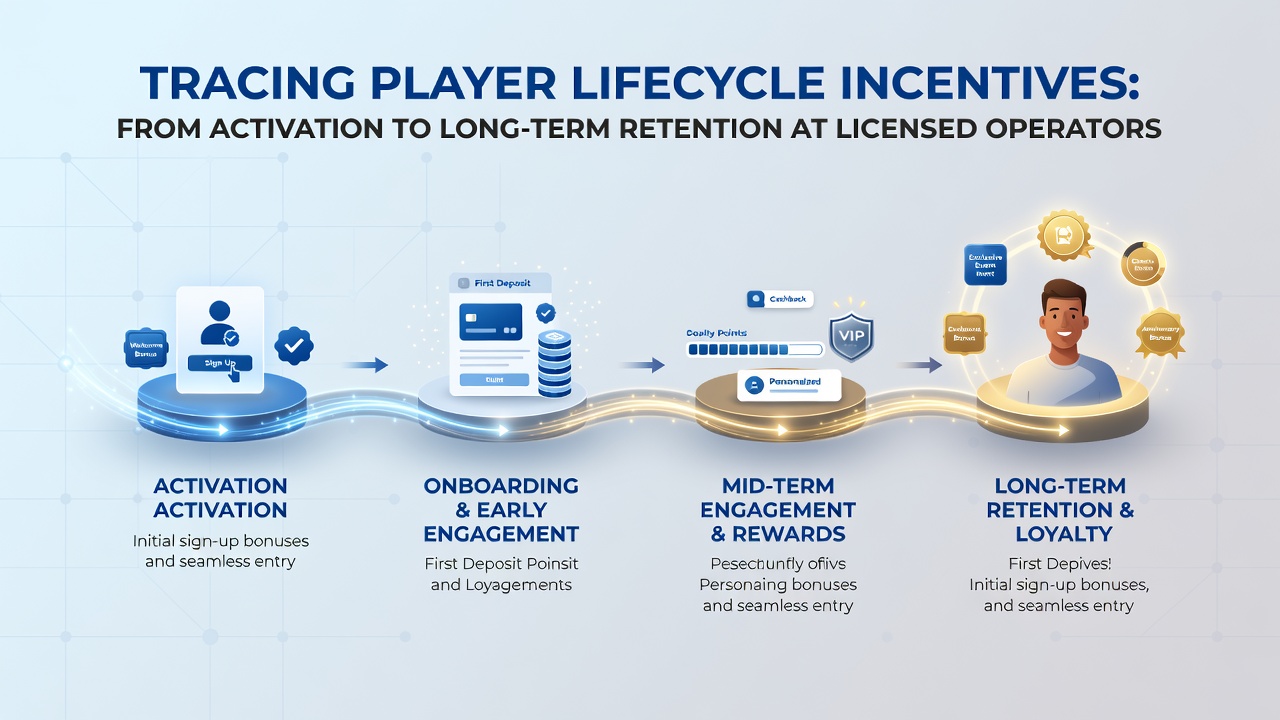
Operators at licensed facilities monitor player progression through distinct phases that begin with account creation and extend into sustained activity over months or years. Activation starts when a new user registers and completes verification processes required by regulatory standards, which often triggers immediate welcome incentives designed to encourage the first deposit and initial gameplay sessions. Data from multiple jurisdictions shows that these early-stage offers typically include deposit matches or free spins structured around specific wagering conditions that align with licensing rules. Progression through the lifecycle depends on how operators adjust incentives based on behavioral patterns observed after activation. Licensed platforms collect metrics on deposit frequency, game selection, and session duration to determine when to introduce follow-up promotions such as reload bonuses or loyalty points that accumulate toward tiered rewards. Research from academic institutions indicates that players who receive targeted offers within the first seven days after registration demonstrate higher continuation rates compared to those who receive generic promotions.Early Engagement and Transition Mechanisms
Once initial deposits occur, operators shift focus toward converting one-time users into repeat participants through sequenced incentives that escalate in complexity. These might involve cashback programs tied to weekly activity or event-based rewards linked to specific sporting events or slot releases. Figures from regulatory filings in New Jersey reveal that operators there reported increased player retention when deposit-match structures incorporated time-limited windows that encouraged consistent weekly engagement rather than sporadic large deposits.
What's interesting is how these mechanisms integrate with broader compliance frameworks. Licensed operators must ensure all promotional terms meet transparency requirements set by bodies like the New Jersey Division of Gaming Enforcement, which publishes quarterly summaries detailing how incentive programs affect player behavior across the state. Players often move from activation rewards to mid-tier loyalty tiers within 30 to 60 days, at which point operators introduce personalized offers based on historical data rather than standardized campaigns.
Long-Term Retention Strategies Across Jurisdictions
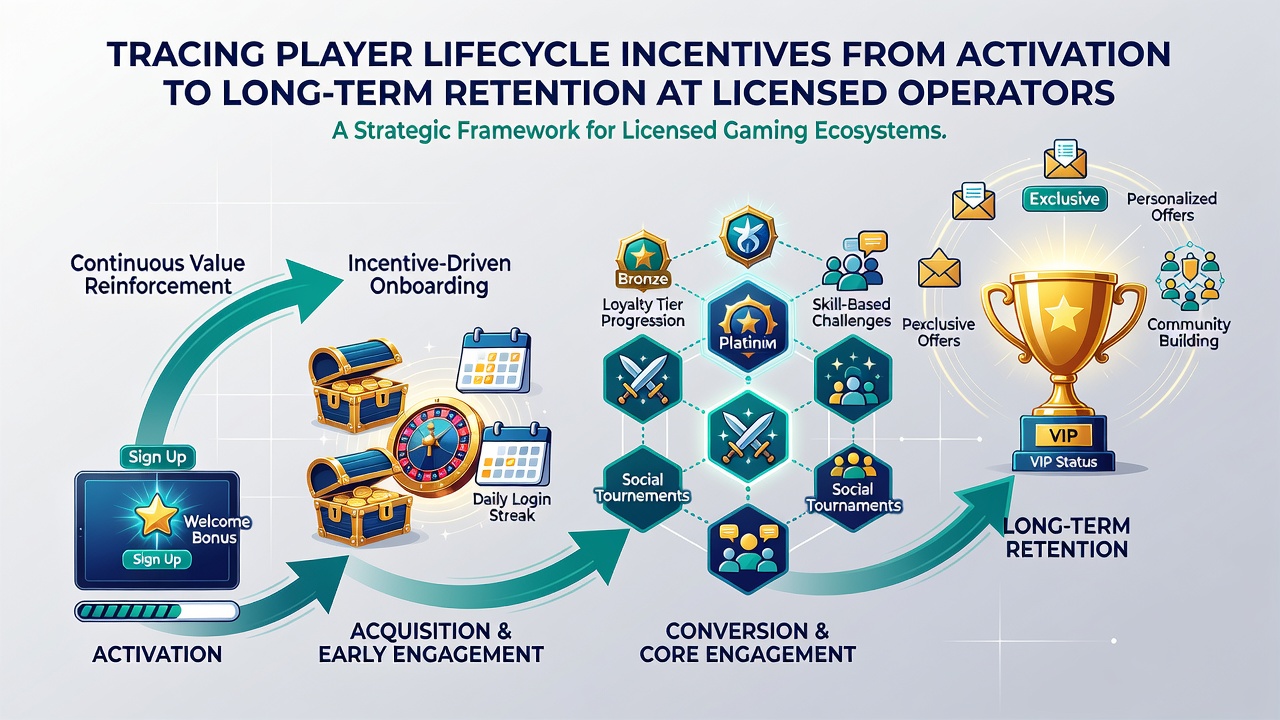
Retention at later stages relies on cumulative reward systems that reward sustained play rather than isolated transactions. Operators in regions such as Ontario track lifetime value metrics to calibrate VIP programs that offer exclusive tournament access or higher cashback percentages for players who maintain activity thresholds over six-month periods. According to reports from the Ontario Lottery and Gaming Corporation, these tiered structures correlate with extended player tenure when combined with responsible gaming tools that allow users to set deposit limits.
But here's the thing: cross-border operators must navigate varying rules when deploying similar programs. In Australia, for instance, the Australian Communications and Media Authority oversees how promotional mechanics influence retention, requiring clear disclosure of terms that prevent misleading representations about potential returns. Studies conducted by university research teams have found that players exposed to consistent, transparent incentive timelines show steadier engagement patterns through the 12-month mark compared to those receiving irregular offers.
July 2026 data releases from several North American regulators highlighted modest increases in average player lifespan at facilities that synchronized incentive releases with seasonal events such as major sports leagues or holiday periods. These adjustments help maintain momentum without violating advertising guidelines that restrict certain promotional language. Observers note that successful programs often blend automated triggers with manual reviews to prevent over-incentivization that could conflict with harm-minimization obligations.
Measuring Outcomes and Regulatory Oversight
Performance tracking involves multiple indicators including churn rates, average revenue per user, and frequency of bonus redemptions. Licensed operators submit aggregated data to oversight agencies that evaluate whether incentive structures promote prolonged participation or encourage excessive play. Trade associations such as the American Gaming Association compile industry-wide benchmarks that operators reference when refining their lifecycle models across different markets.
Those who've examined retention curves across platforms observe that incentives lose effectiveness if they remain static after the initial activation window. Dynamic adjustments based on real-time activity help sustain interest, yet they must remain within the boundaries established by each jurisdiction's licensing authority. Evidence from comparative analyses across European and North American markets suggests that operators achieving the strongest long-term retention integrate educational content about game mechanics alongside reward offerings.
Conclusion
Player lifecycle incentives at licensed operators evolve from straightforward activation offers into sophisticated retention frameworks that adapt to individual patterns while satisfying regulatory expectations. Operators continue refining these approaches through ongoing data analysis and compliance checks that vary by region. The process remains central to how digital and land-based facilities manage player relationships from first contact through extended participation periods.