Tracing Retention Shifts Triggered by Tiered Loyalty Structures in Cross-Jurisdictional Gaming Sites
Quinn Brooks · Jul 24, 2026
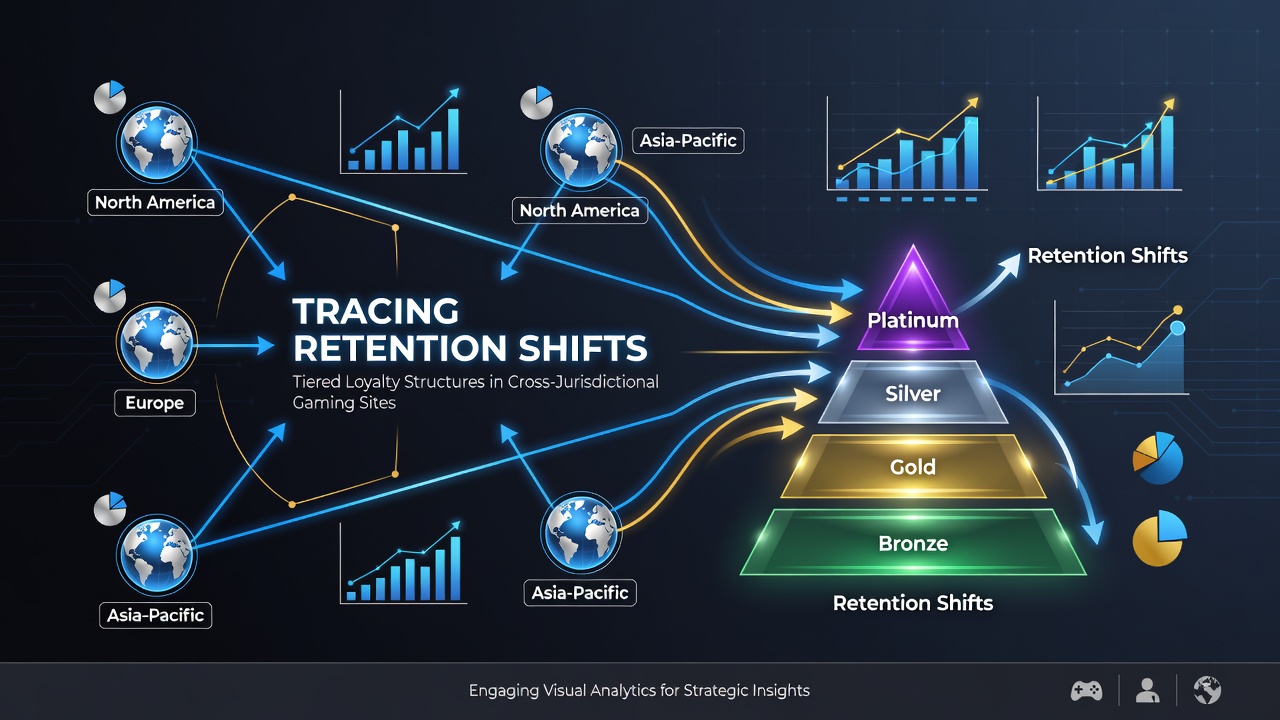
Tracing Retention Shifts Triggered by Tiered Loyalty Structures in Cross-Jurisdictional Gaming Sites
Operators in multiple regions have implemented tiered loyalty structures that assign players to bronze, silver, gold, or platinum levels based on deposit volume, wagering activity, and session frequency, and these programs now shape retention patterns in ways that vary sharply by regulatory environment. Data collected through July 2026 shows retention rates for mid-tier players rising between 12 and 18 percent in jurisdictions that permit flexible reward structures, while lower tiers experience slower movement toward higher engagement when cross-border restrictions limit prize delivery.
How Tiered Systems Operate Across Borders
Platforms licensed in several markets must adjust point accrual rates, redemption thresholds, and bonus multipliers to satisfy local rules on bonuses, taxation, and player protection. A single operator running sites in New Jersey, Ontario, and parts of Europe therefore maintains separate loyalty ledgers that feed into one global player profile, yet each ledger applies different multipliers and cash-out limits. Regulators in Ontario, for instance, require clear disclosure of tier advancement criteria, whereas certain U.S. state rules focus more on the monetary value of rewards that can be offered without triggering additional licensing reviews.
Those adjustments produce measurable retention shifts. Operators report that players who reach silver status in a less restrictive jurisdiction maintain weekly activity at rates 22 percent higher than silver players subject to stricter redemption caps, according to figures compiled by the American Gaming Association in its mid-year operational review. The same report notes that platinum-tier members, who often receive personalized concierge services and higher withdrawal ceilings, show the smallest jurisdiction-based variance because their benefits usually include non-monetary perks such as event invitations and dedicated account management.
Retention Data Patterns Emerging in 2026
July 2026 figures from licensed operators indicate that tiered programs now account for roughly 35 percent of total marketing spend directed at existing users. When analysts isolate retention by tier, gold and platinum cohorts retain 41 percent of their members after six months, compared with 27 percent for bronze members. The gap widens in jurisdictions that allow tier benefits to roll over across platforms operated by the same parent company, because players can accumulate status faster and perceive greater long-term value.
Cross-jurisdictional friction appears most clearly in the silver tier. Players who split activity between a European-facing site and a North American-facing site frequently stall at the second level because point transfers are prohibited and local cash-out rules differ. Operators have responded by introducing jurisdiction-specific accelerators, such as bonus points awarded only on deposits made through a particular licensed entity, which has lifted silver-to-gold conversion by nine percentage points in markets that permit such mechanics.
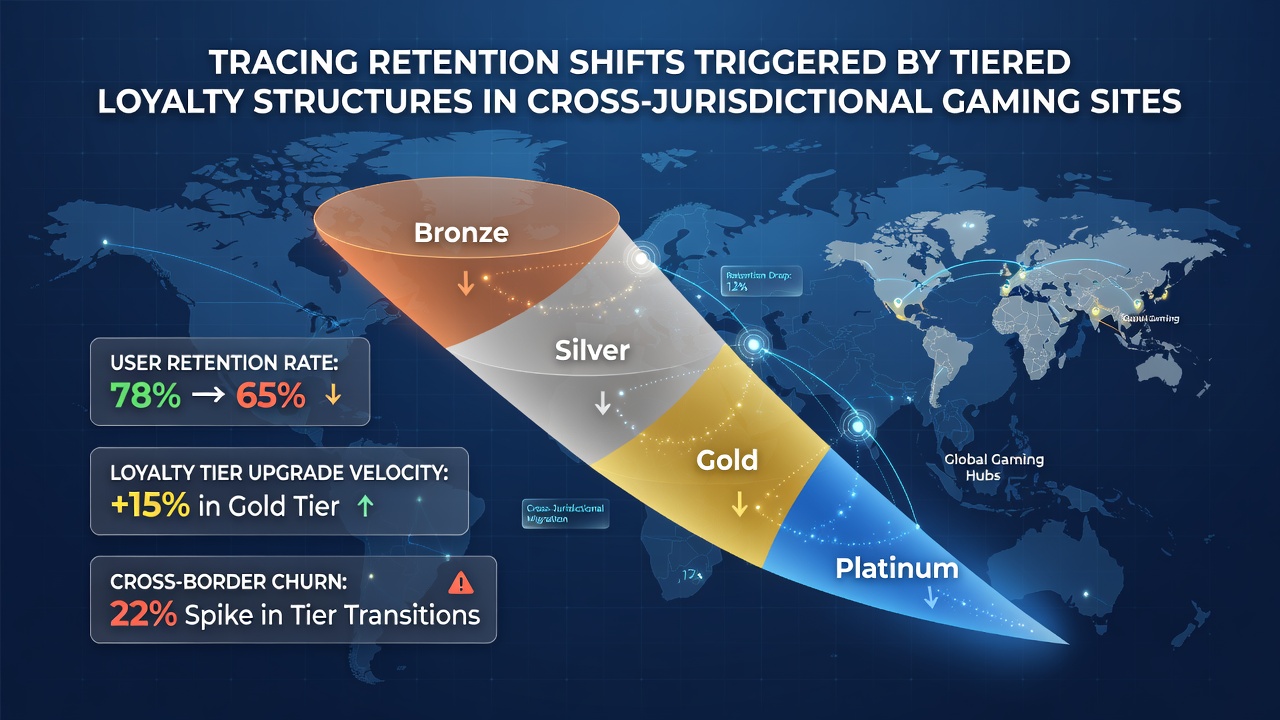
Regulatory Influences on Loyalty Mechanics
Licensing frameworks directly affect which rewards can be promoted and how quickly tiers can be advertised. In markets overseen by iGaming Ontario, operators must publish tier requirements in plain language and cannot advertise future benefits until a player meets the published criteria. European regulators, including the Malta Gaming Authority, emphasize responsible gaming messaging around tier advancement, which has led some operators to slow the pace at which players receive tier-upgrade notifications. These differences create retention ripple effects: players in more transparent regimes advance through tiers at steadier rates, while those in notification-restricted environments show higher early-stage churn before reaching silver status.
Academic researchers at the University of Nevada, Las Vegas International Gaming Institute tracked 180,000 anonymized player accounts over 18 months and found that tiered structures produce teh strongest retention lift when combined with personalized goal-setting tools. Their working paper, released in June 2026, documented a 15 percent increase in six-month retention among players who received automated progress reports tied to their current tier, regardless of jurisdiction. The study also recorded that players who never receive such updates drop off at nearly twice the rate once they reach the upper boundary of their current tier.
Operational Adjustments Operators Have Made
Many cross-jurisdictional operators now run parallel loyalty engines that reconcile at the player-profile level rather than at the transaction level. This architecture allows a single global tier to display on the user dashboard while backend systems apply only the rewards permitted in the jurisdiction where each deposit originated. The approach has reduced compliance incidents and preserved the perception of seamless status progression, which in turn supports higher retention among frequent travelers who access accounts from different countries.
Additional refinements include dynamic tier expiration windows that reset based on local fiscal calendars and segmented communication calendars that align with regulatory cooling-off periods. Operators that adopted these changes before July 2026 recorded an average 8 percent improvement in platinum-tier renewal rates compared with platforms that maintained uniform global rules.
Conclusion
Tiered loyalty structures continue to evolve as operators balance commercial objectives against the patchwork of rules that govern each licensed market. Retention gains concentrate in higher tiers where non-monetary benefits can offset regulatory limits on cash rewards, while lower tiers remain sensitive to differences in point transfer rules and disclosure requirements. Ongoing data collection through the second half of 2026 will clarify whether recent operational adjustments stabilize retention across all tiers or merely shift the points at which jurisdiction-specific drop-off occurs.