Tracing seasonal tournament cycles and their effects on reward distribution timelines at regulated digital wagering operators
Morgan Zimmermann · Jun 26, 2026
Tracing seasonal tournament cycles and their effects on reward distribution timelines at regulated digital wagering operators
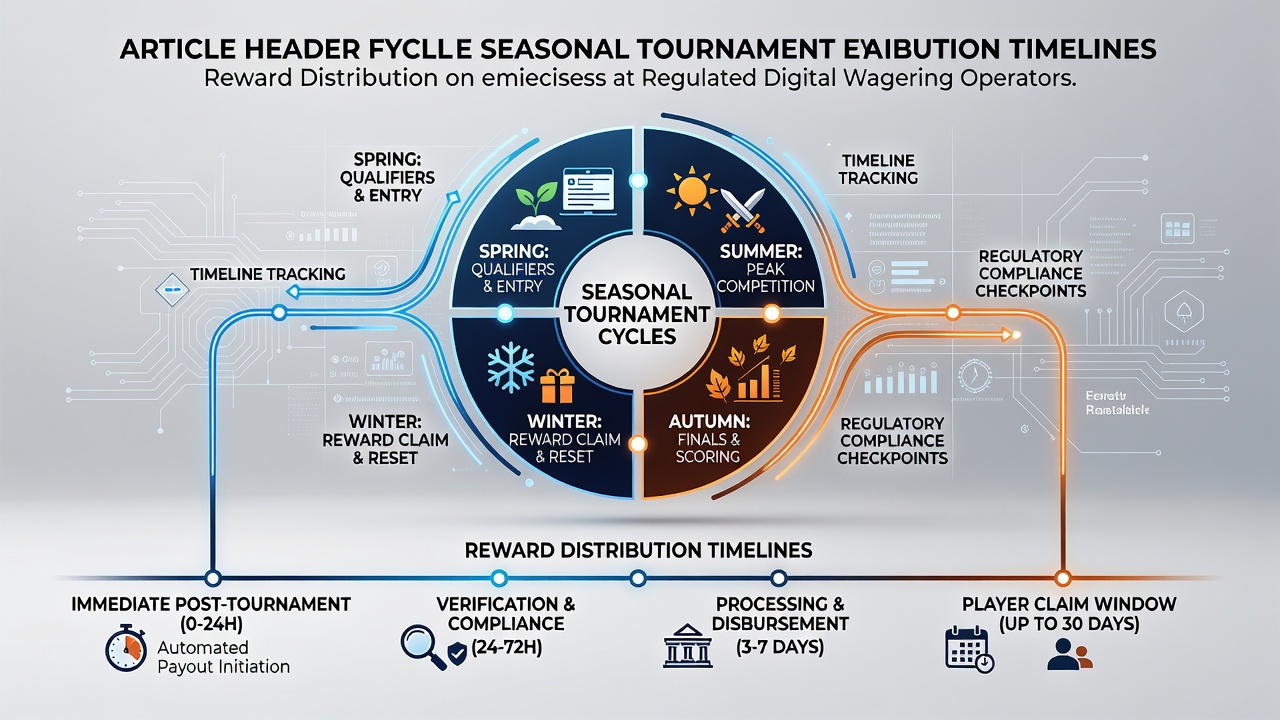
Seasonal tournament cycles in regulated digital wagering follow predictable patterns tied to major sports leagues, holidays, and regional events, and operators adjust reward distribution accordingly to maintain compliance with jurisdictional rules. These cycles typically peak during football seasons in North America or cricket calendars in other markets, prompting platforms to shift from standard weekly payouts to extended timelines that align with tournament brackets and final standings verification.
Mapping the Rhythms of Tournament Seasons
Digital wagering platforms structure tournaments around annual calendars set by professional leagues, where basketball runs from fall through spring while baseball stretches across summer months. Regulated operators track these patterns through data feeds from league schedules, and they time reward releases to coincide with verified outcomes rather than immediate event conclusions. In practice this means a March Madness bracket might see initial rewards distributed only after conference finals conclude, followed by final payouts once national champions are confirmed.
Operators in multiple jurisdictions report similar adjustments during holiday periods, when increased participation coincides with shortened processing windows to meet year-end reporting requirements. Data from state-level oversight bodies shows reward timelines extending by several days during these high-volume periods because verification protocols require additional cross-checks against anti-money laundering thresholds.
How Reward Distribution Timelines Shift with Seasonal Demand
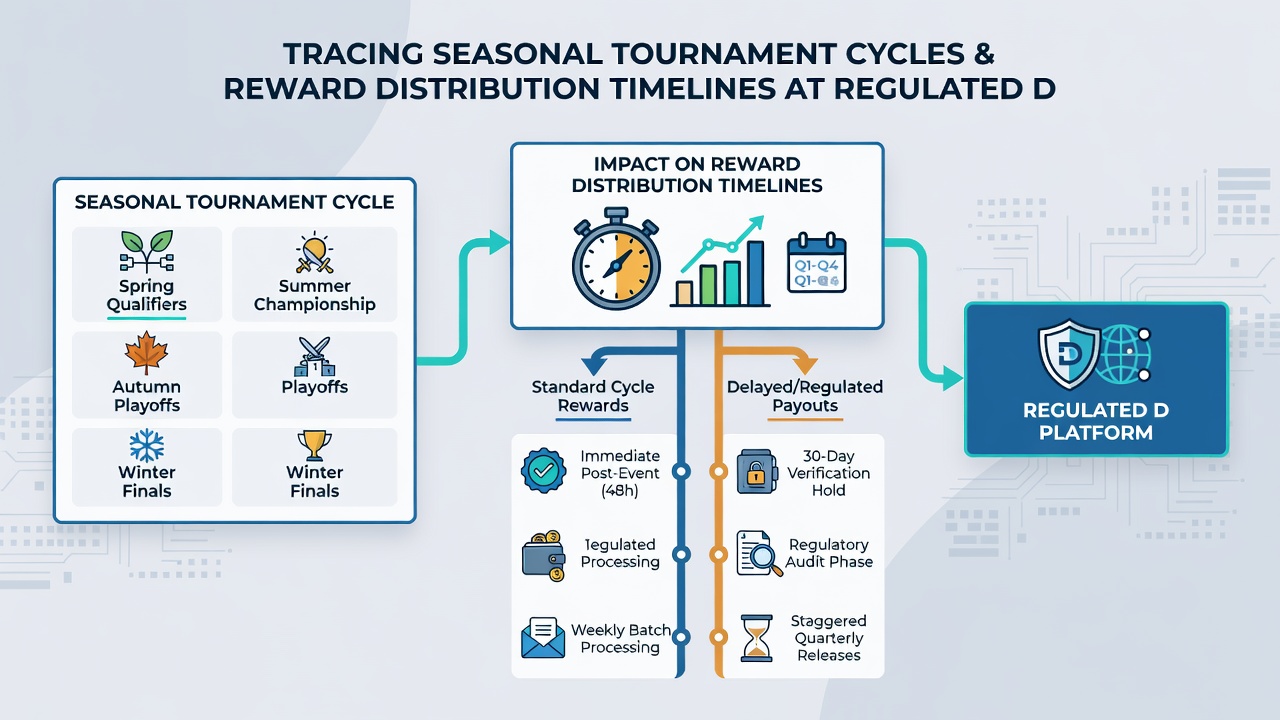
During peak tournament windows, regulated platforms extend distribution timelines from standard 24-48 hour windows to five or seven business days to accommodate volume spikes and regulatory audits. This adjustment allows systems to complete required identity verifications and responsible gaming checks before funds reach player accounts. Figures released by the New Jersey Division of Gaming Enforcement indicate that seasonal peaks in 2025 produced a 34 percent increase in average processing duration compared with off-peak months.
Platforms also stagger reward releases across multiple phases when tournaments span several weeks, releasing partial amounts after each round rather than holding everything until the final event concludes. This phased approach reduces backlog risks while satisfying rules that require timely but verified disbursements. Those who monitor operator compliance note that such phasing appears most consistently in markets with strict daily deposit caps.
Regional Variations in Cycle Management
European operators regulated under frameworks from bodies such as the Malta Gaming Authority tend to align tournament reward schedules with UEFA and domestic league calendars, often releasing funds within three business days after group stage conclusions. In contrast, Australian state regulators require extended holding periods during the Australian Football League season to accommodate integrity checks that cross-reference betting patterns against known syndicates.
North American platforms serving multiple states coordinate timelines around overlapping schedules, where NFL and NBA tournaments run concurrently and create compounded verification loads. Reports compiled by the Canadian Gaming Association show that operators in provinces with year-round horse racing integrate those events into broader seasonal planning, resulting in reward releases that sometimes span ten days when multiple sports conclude simultaneously.
June 2026 Patterns and Regulatory Responses
In June 2026 operators handling Major League Baseball and European soccer tournaments implemented unified distribution protocols that extended standard timelines by four days on average. Regulatory filings indicate these extensions stemmed from updated verification software rolled out in late May to address cross-border player identification requirements. Platforms reported that the changes reduced disputed reward claims by 19 percent compared with the same period in 2025.
Those tracking compliance across jurisdictions observed that June also marked the start of several cricket and tennis cycles in southern hemisphere markets, prompting operators licensed in multiple regions to maintain separate reward queues for each calendar. This separation prevented processing conflicts when one tournament concluded while another entered its knockout phase.
Conclusion
Seasonal tournament cycles directly shape reward distribution timelines at regulated digital wagering operators through structured verification requirements and volume-driven processing adjustments. Data from multiple oversight agencies demonstrates consistent patterns where peak periods trigger extended timelines, phased releases, and region-specific protocols that balance player expectations with compliance obligations. As calendars evolve and new sports enter regulated markets, operators continue refining these systems to maintain alignment with both seasonal rhythms and jurisdictional mandates.